

- Asset surveys and condition assessments
- Decommissioning strategy and feasibility studies
- Engineering assessments and method statements
- Project scheduling, budgeting, and execution planning


- Equipment shutdown and isolation planning
- Lockout/tagout coordination
- Hazardous energy identification
- Support for draining, purging, and cleaning activities
- Verification of safe working conditions
- Mechanical and process equipment removal
- Steel structures and support systems dismantling
- Pumps, compressors, tanks, and machinery removal
- Crane, rigging, and heavy-lift coordination
- Material segregation and equipment handling
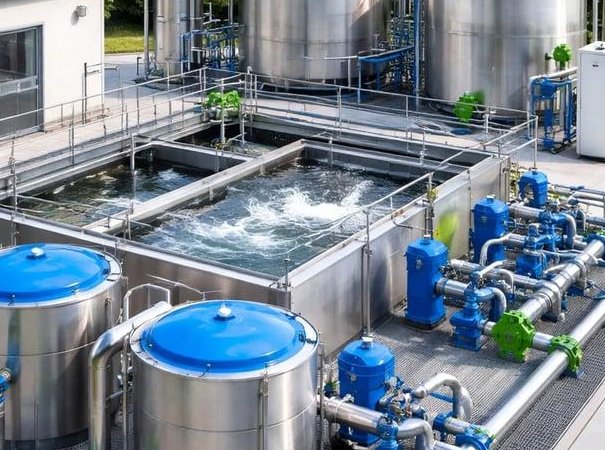
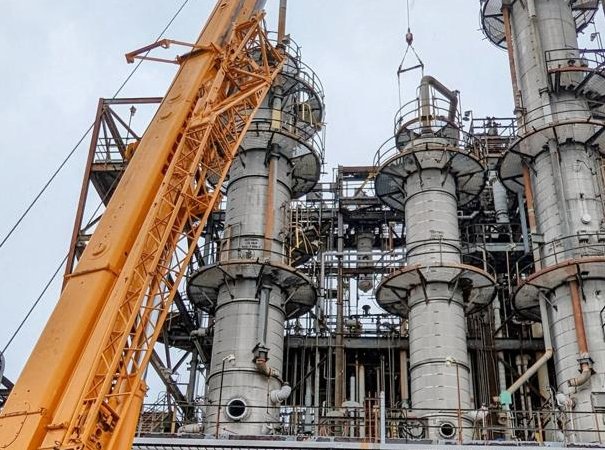
- Pipeline and utility line isolation planning
- Pipeline cleaning and preparation coordination
- Above-ground pipeline and support structure removal
- Infrastructure dismantling and material recovery
- Engineering support for approved abandonment methods
- Waste identification and classification
- Scrap metal segregation and recovery
- Hazardous waste handling coordination
- Waste tracking and disposal documentation
- Recycling and resource recovery planning
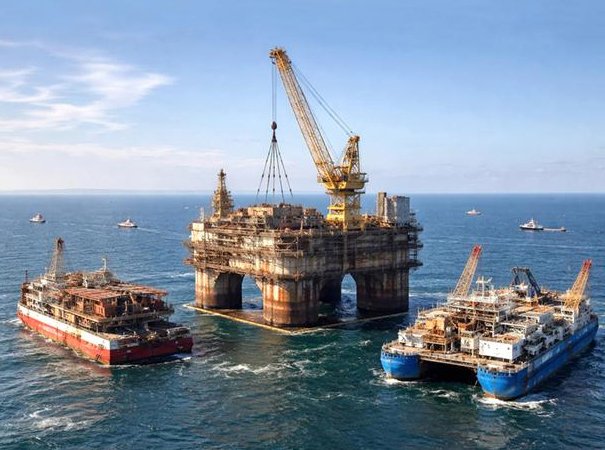
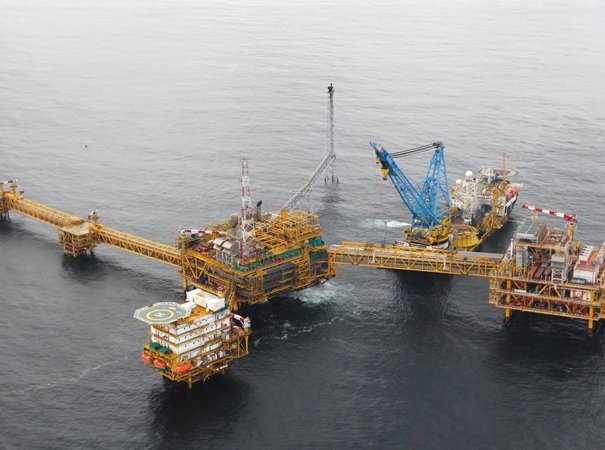
- Environmental site assessments
- Contamination investigation coordination
- Soil and surface restoration planning
- Debris clearance and site reinstatement
- Environmental monitoring and close-out documentation
- Project and contractor coordination
- Health, Safety and Environment (HSE) planning
- Risk assessments and work method statements
- Permit-to-work coordination
- Quality assurance, progress reporting, and handover
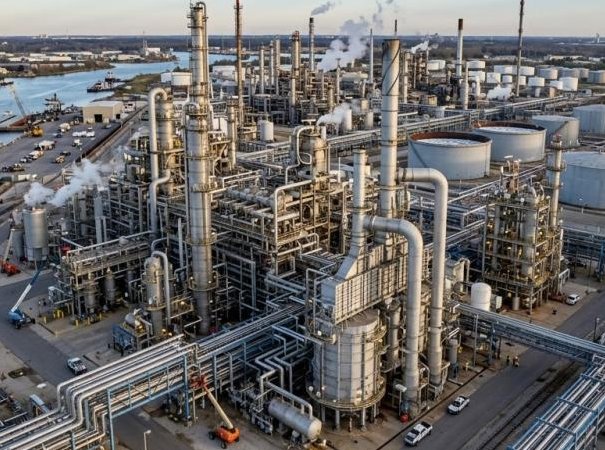
Health, Safety, Environmental and Regulatory Commitment
Decommissioning activities can involve residual hydrocarbons, hazardous substances, confined spaces, heavy lifting, working at height, and environmental risks. Valeng Solutions International recognises the importance of planning these activities around documented risk assessments, competent personnel, appropriate equipment, approved work procedures, and effective emergency arrangements.
Projects will be executed in accordance with applicable Nigerian legislation, relevant environmental and petroleum-sector requirements, client standards, and project-specific approvals.
Depending on the asset and scope, regulatory interfaces may include the Nigerian Upstream Petroleum Regulatory Commission (NUPRC), the Nigerian Midstream and Downstream Petroleum Regulatory Authority (NMDPRA), and relevant environmental authorities.